Aesthetic dentistry
Non-prep ceramic veneers from an Austrian master laboratory.
Wafer-thin ceramic shells, custom-made in a master laboratory and adhesively bonded to the tooth. Correction of shape and colour of the front teeth, without grinding the healthy tooth structure.
Indications for ceramic veneers.
Discolouration
Stubborn discolouration that bleaching can no longer lift is permanently covered by non-prep veneers — including darkening after root-canal treatment.
Gaps in the front teeth
Diastemas and irregular spacing can be closed without orthodontic appliances. Within a week the gaps are no longer visible.
Shape and size
Front teeth that are too small, too narrow or unevenly shaped are visually balanced by the shells. A canine-dominant smile can be harmonised.
Composite fillings
Old composite fillings that have discoloured over time are replaced by durable ceramic. Minor chips on the incisal edges are stabilised.
Veneer or crown?
Veneer or bleaching?
Results in detail.
Before / After comparison
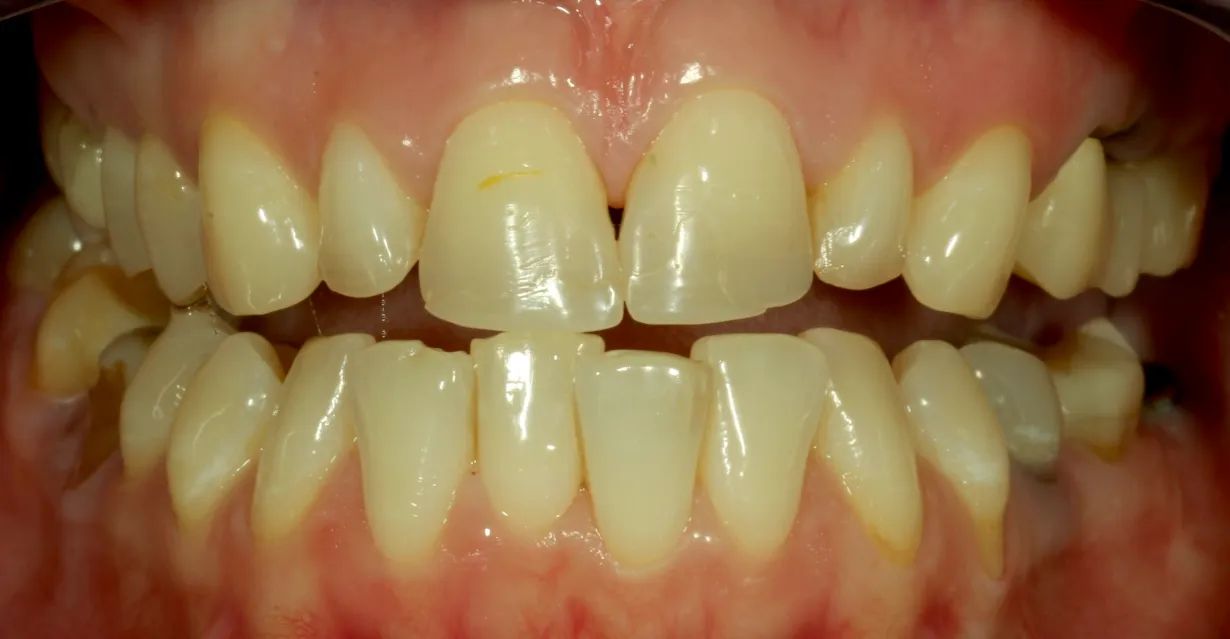
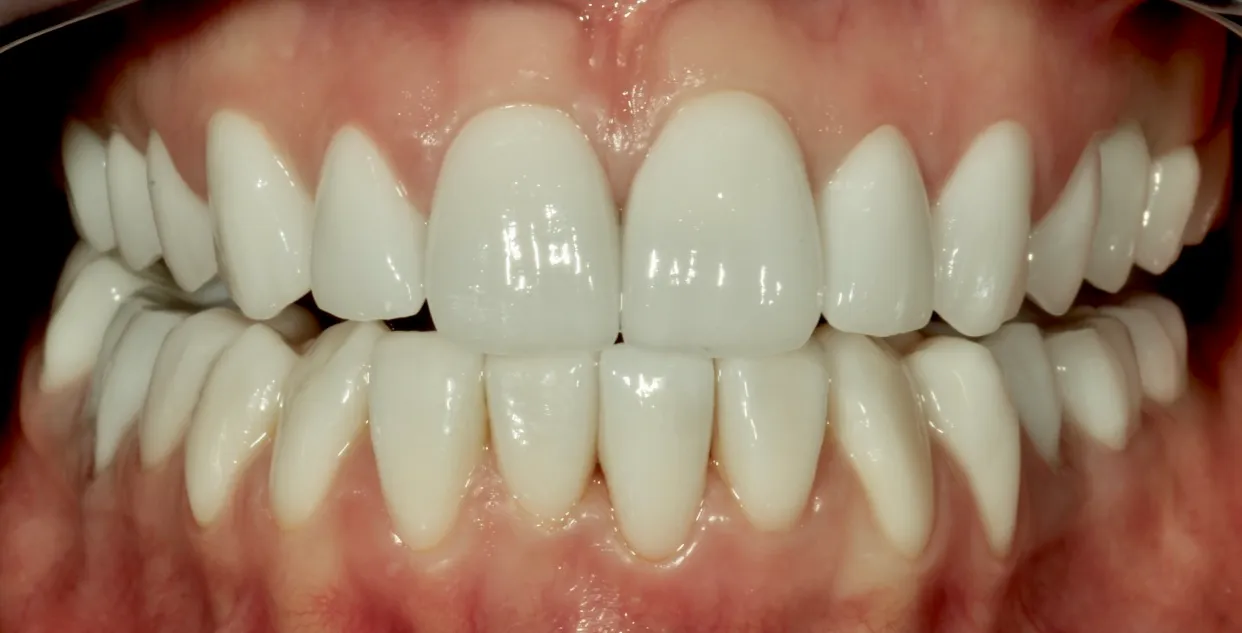
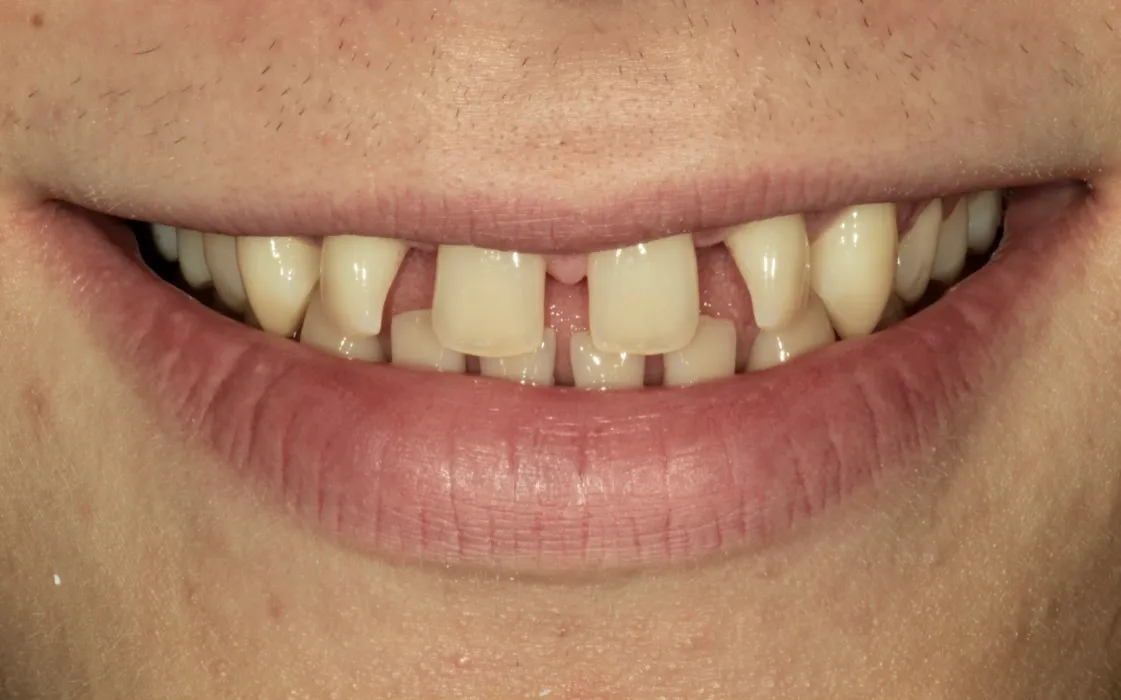
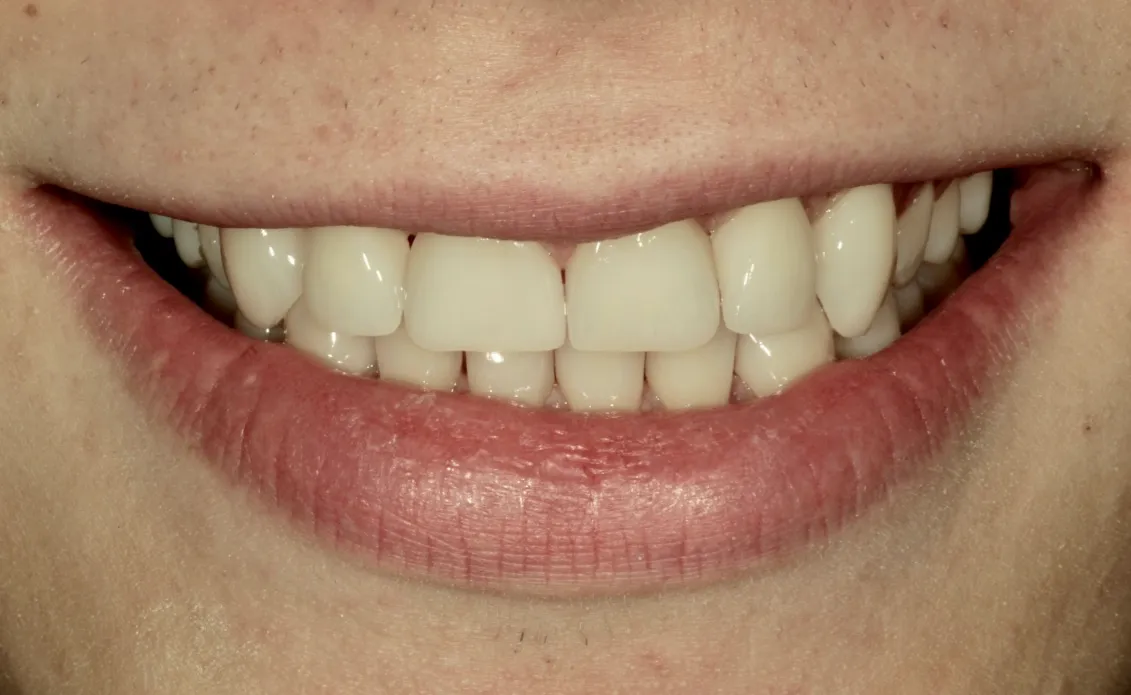
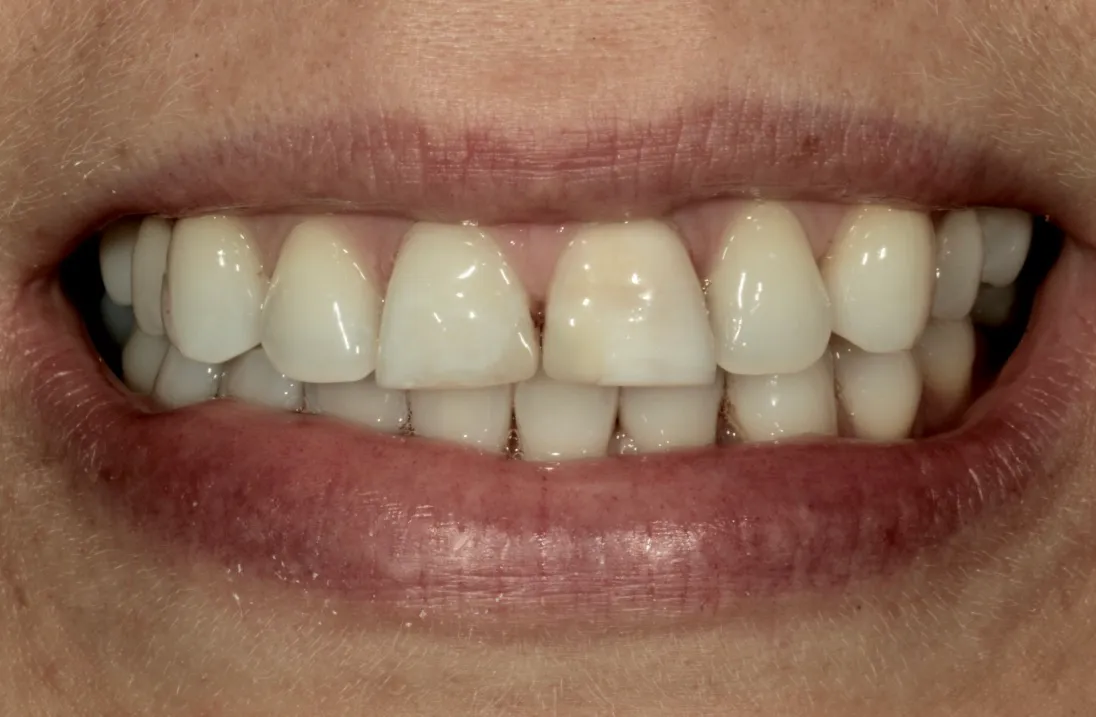
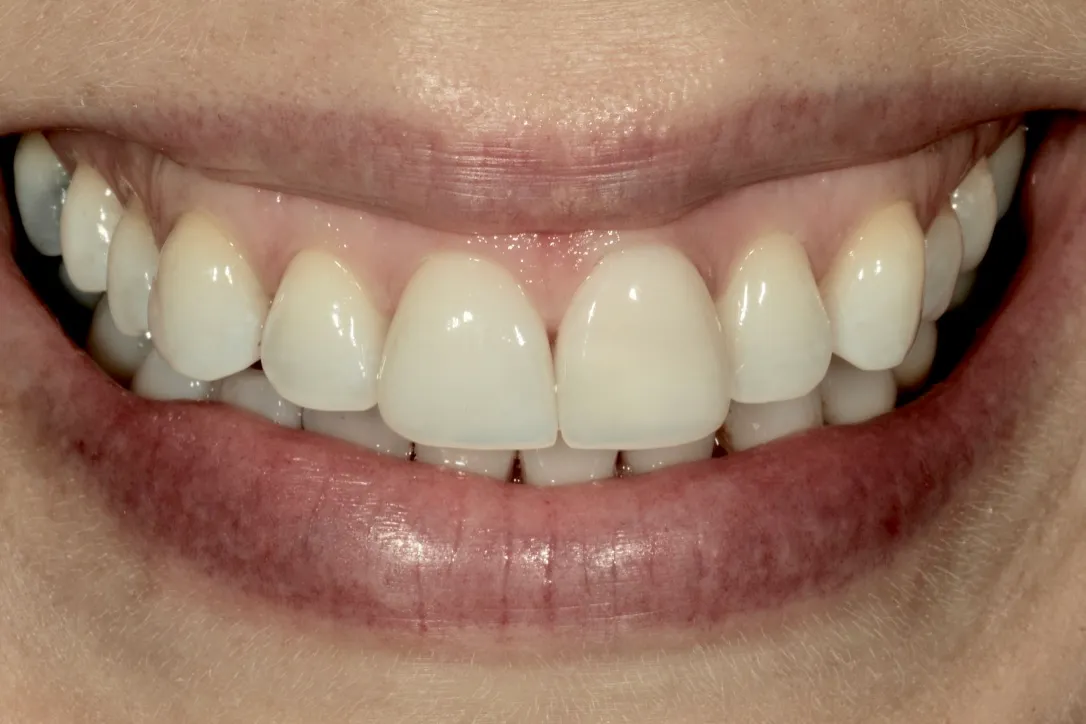
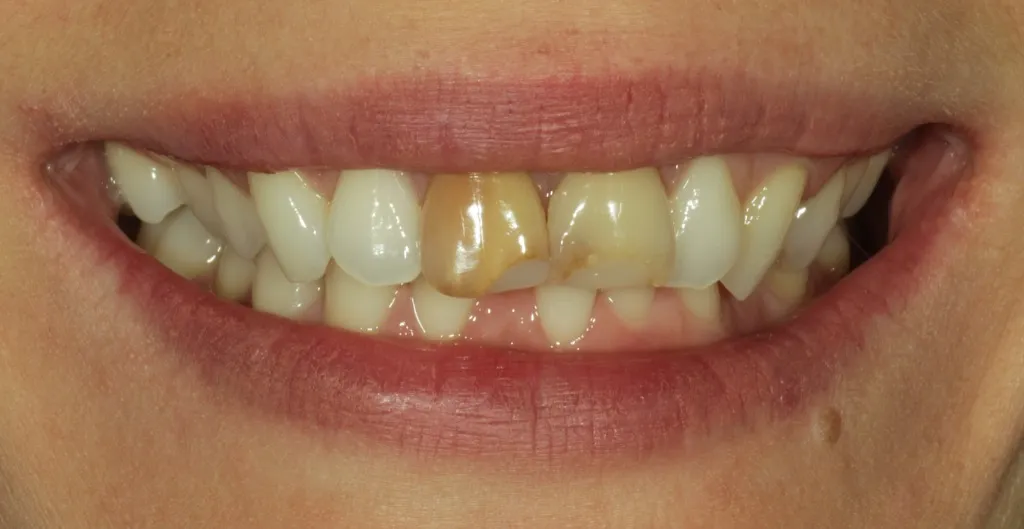
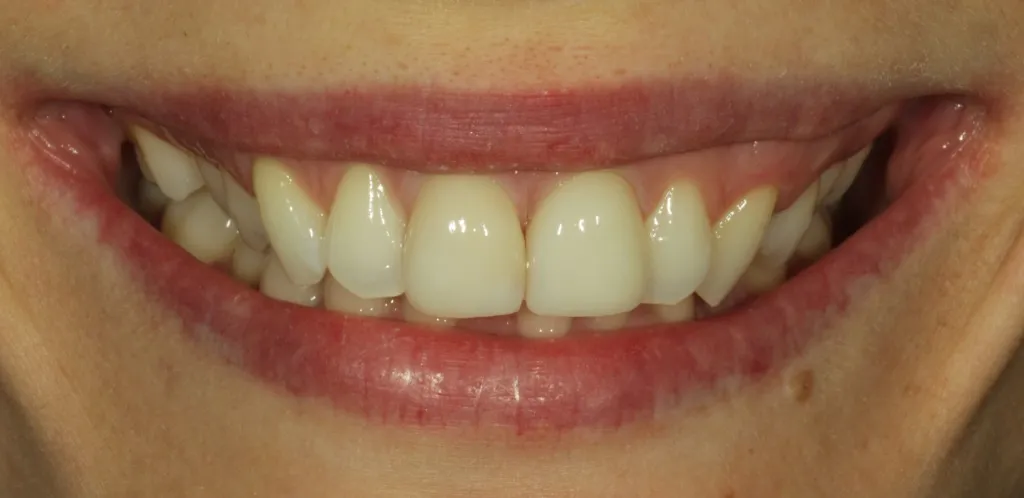
All cases shown are published with the explicit written consent of the patients. Drag the slider to compare the treatment.
Advantages
What sets non-prep veneers apart.
No grinding
100% of the healthy tooth structure is preserved. Only the surface is conditioned for bonding.
Pain-free
No anaesthesia required — the procedure is entirely pain-free, as no nerve endings are involved.
Colour stability
High-grade ceramic does not darken and does not stain from coffee, tea or tobacco.
Protection against sensitivity
The non-prep veneer acts as an additional protective layer that makes the tooth less sensitive to cold and heat.
The path to your new smile.
Consultation
In the first appointment you describe your wish for change. The dental starting situation is then analysed and the realistic options are explained.
Impression
In the second appointment a precise impression of the teeth is taken. It serves the master laboratory as the basis for fabricating your individual veneers.
Bonding
In the third appointment the non-prep veneers are bonded to the teeth in a meticulous adhesive procedure — exact, secure, gentle, immediately load-bearing.
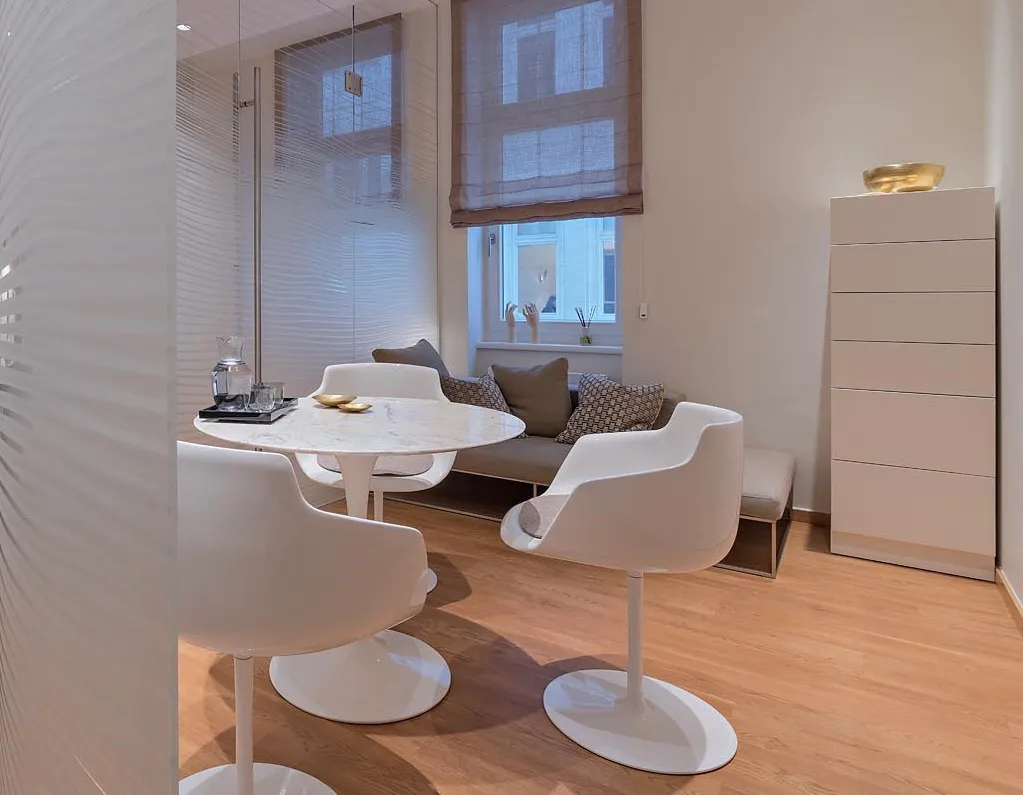
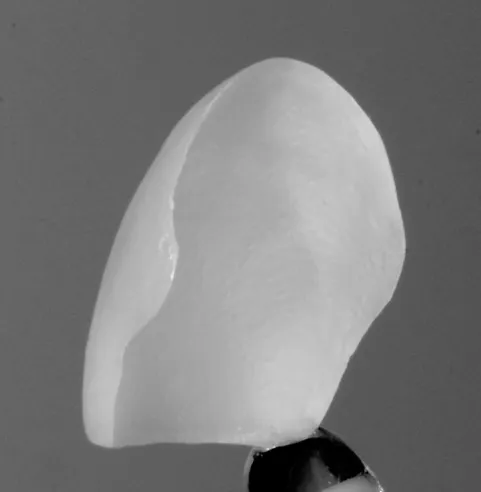
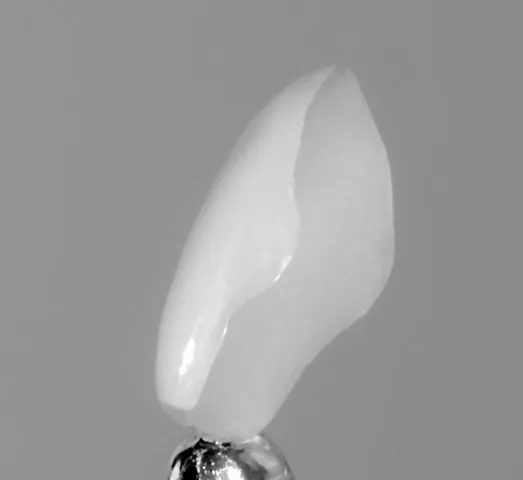
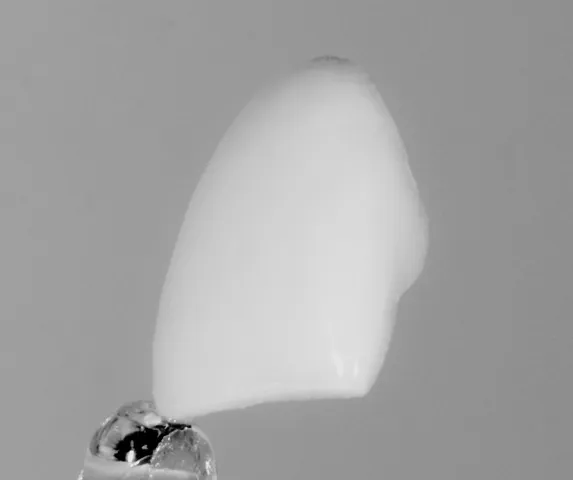
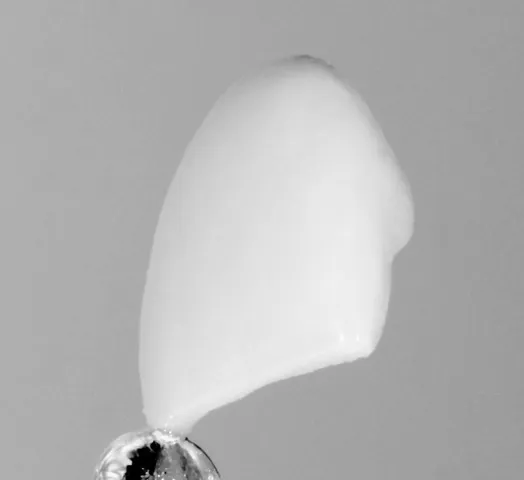
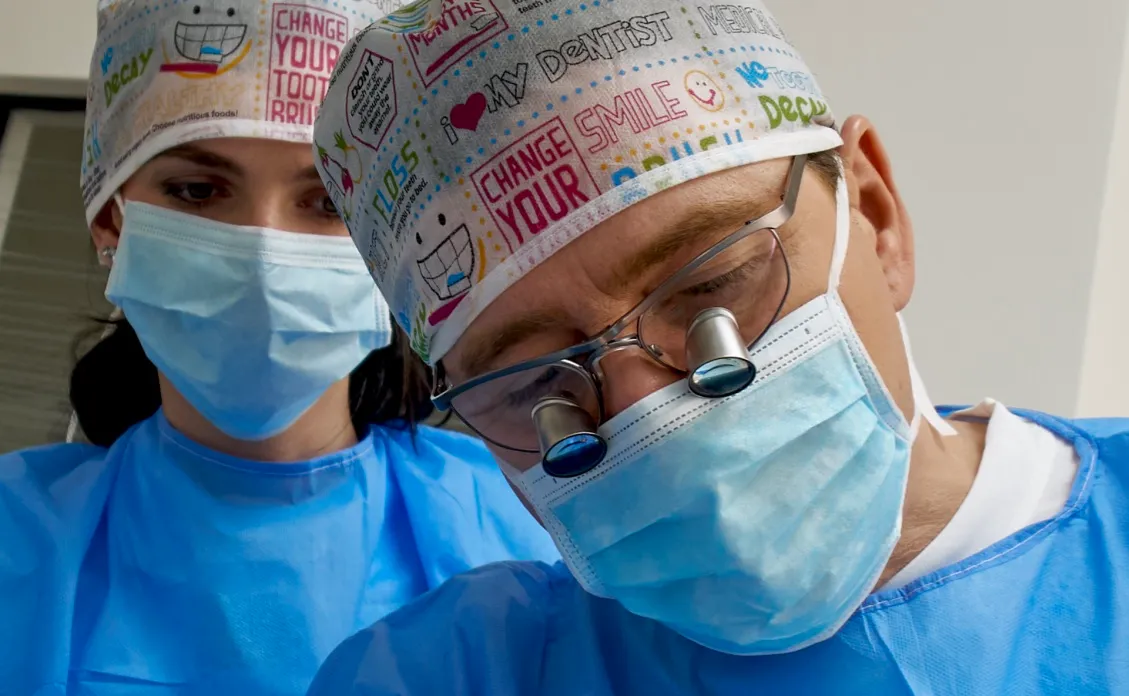
Impressions from the three treatment phases — consultation, impression, bonding.
Patient information
Non-prep veneers — brochure
All information about the treatment as a PDF to take with you.
Treating physician
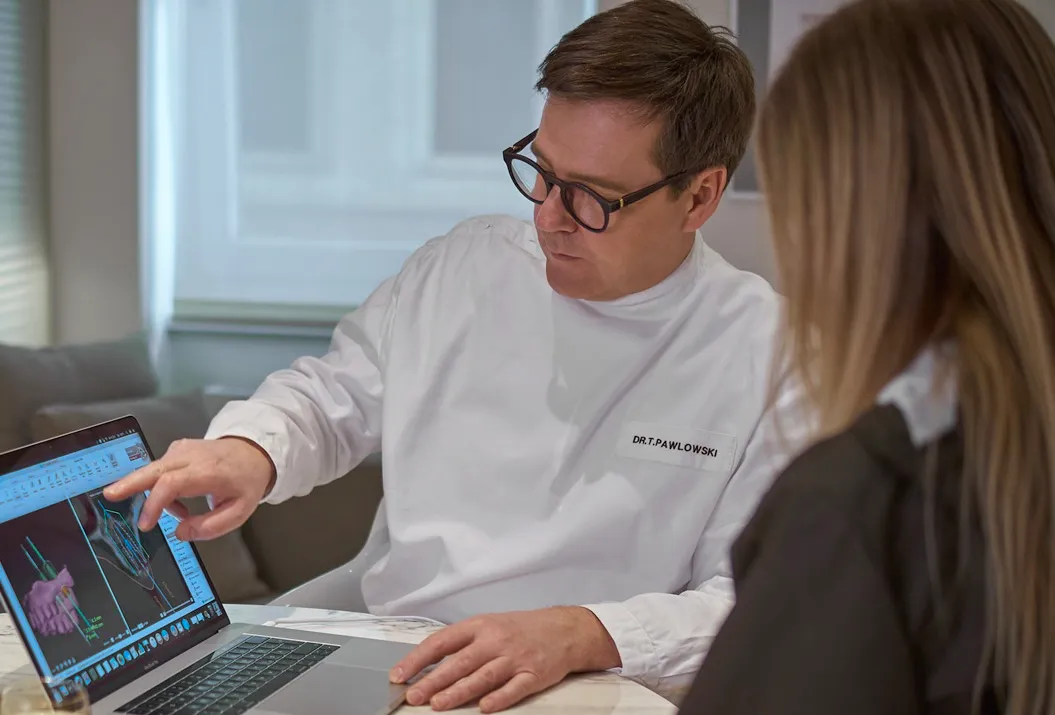
Dr. med. dent. univ. Thomas Pawlowski
Dentist · Certified implantologist (DGI)
„To provide you with the best possible, particularly gentle and pain-free treatment according to the latest standards of modern dentistry — that is our greatest concern."
In treating my patients I draw on more than 35 years of professional experience across all fields of dental, oral and maxillofacial medicine, together with long-standing specialization in implantology and certification by the German Society of Implantology (DGI). Individual attention and personal well-being are paramount in every phase of treatment.
Questions & answers.
How long do non-prep veneers last?
With correct care and regular check-ups, non-prep ceramic veneers typically last 10 to 15 years, often considerably longer. Like any product they undergo daily wear, and after this span the wish for renewal can arise.
Is the treatment painful?
Non-prep veneers require no grinding of tooth structure. The procedure is therefore painless and does not require anaesthesia.
Can non-prep veneers be removed again?
Because the non-prep technique leaves the natural tooth structure untouched, removal is theoretically possible without damaging the tooth.
Do veneers discolour over time?
High-grade ceramic does not darken and does not discolour from coffee, tea or tobacco. The transitions between veneer and tooth are bonded so precisely that no visible marginal gaps form.
Veneer or bleaching?
Non-prep veneers can change the tooth colour far more decisively than bleaching. Bleaching only lightens within the tooth's natural range, and not all teeth respond equally. For deep, dark discolourations a veneer is the better option.
What do non-prep veneers cost?
Cost depends on the individual scope and the number of shells required. After the initial consultation you receive a written treatment and cost plan setting out every step and fee.
Initial consultation
Let's talk.
Leave your contact details and our practice coordination will reach out shortly to arrange an appointment that works for you.
Call 01 532 3269Opening hours
Mon to Thu: 9–12 and 14–17
Appointments by arrangement.